
Facial recognition technology begins with something very simple: light and dark. When a camera captures an image of a face, the software doesn’t “see” the face the way humans do—it sees a grid of pixels, each with different brightness and color values. To make sense of this raw data, the system looks for edges, the places where there is a sharp change in brightness or color. For example, the border between your eyebrow and forehead, or where your lips meet the skin around your mouth, are defined by clear edges.
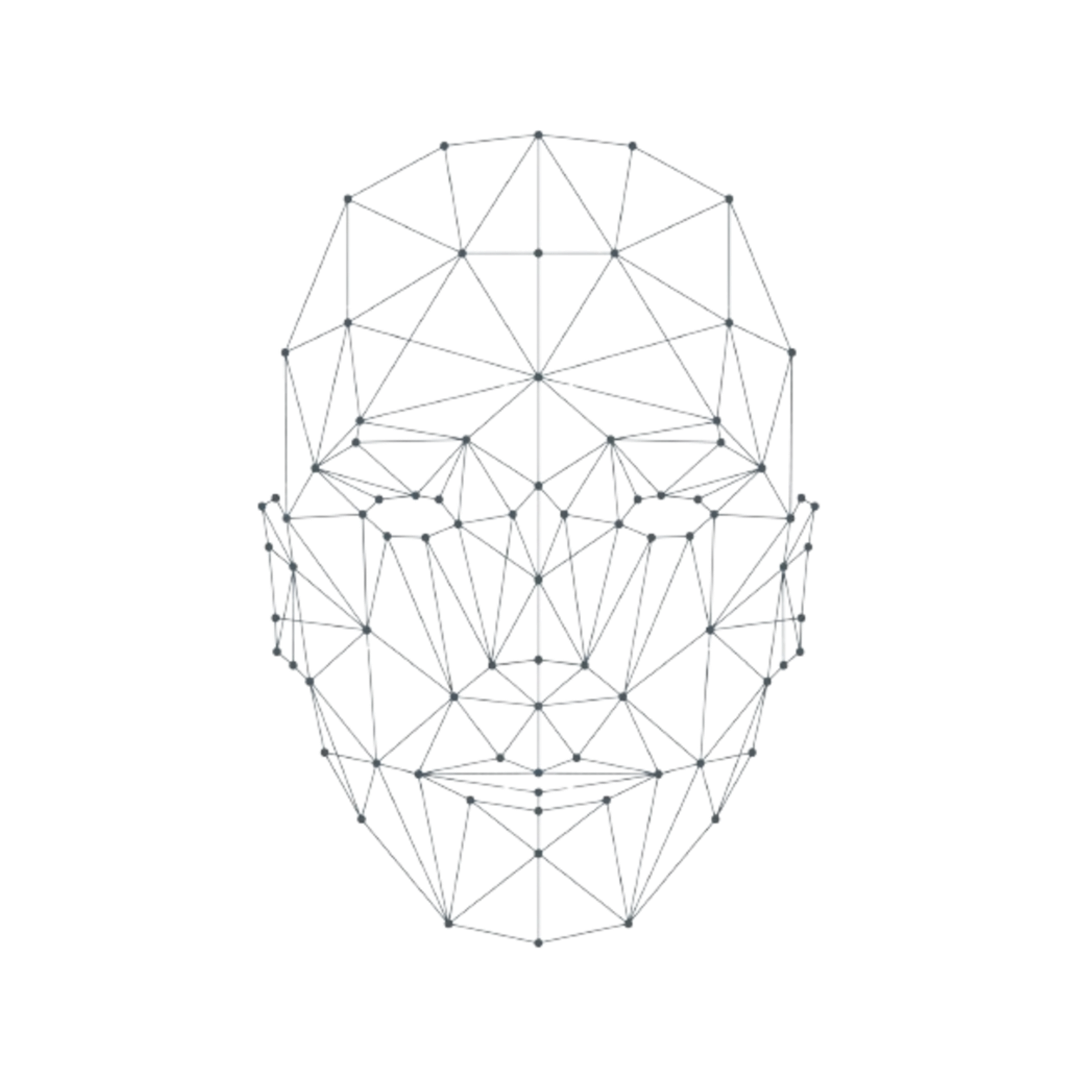
Once edges are identified, the software begins to build patterns out of them. Patterns come from the arrangement of features on the face—like the distance between your eyes, the curve of your jawline, or the outline of your nose. These patterns are compared against known templates in the system’s database, almost like connecting dots in a puzzle. The consistency of these patterns is what makes each person’s face unique and recognizable.

 Reactive Recognition